
Precision casting with excellent quality
Integrated research and development, manufacturing, sales, and technical services of laboratory scientific instruments and intelligent equipment
National Consultation Hotline 15738867410
Integrated research and development, manufacturing, sales, and technical services of laboratory scientific instruments and intelligent equipment
National Consultation Hotline 15738867410

15738867410
Greenland Binhu International City (District 1), Erqi District, Zhengzhou City, Henan Province
Details
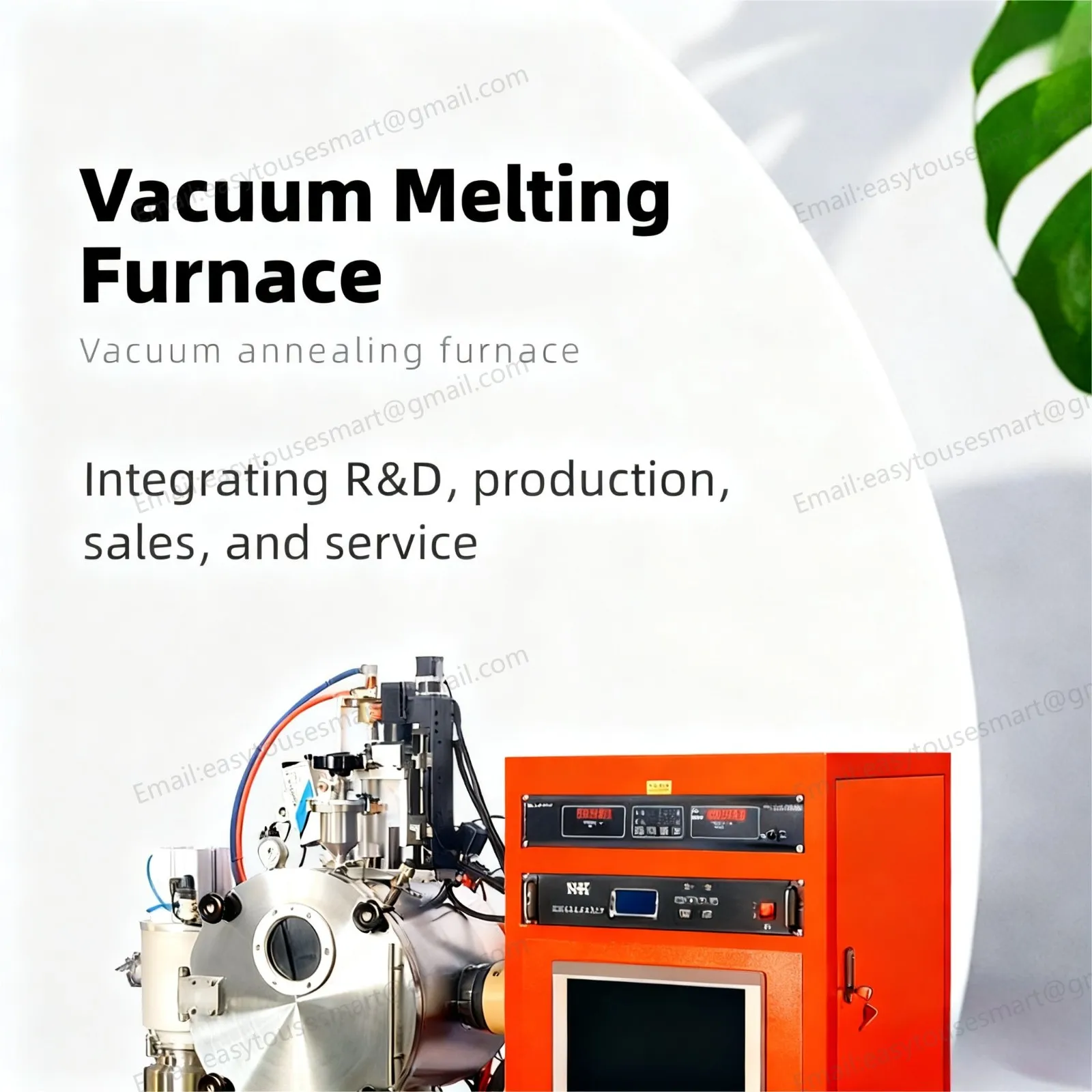

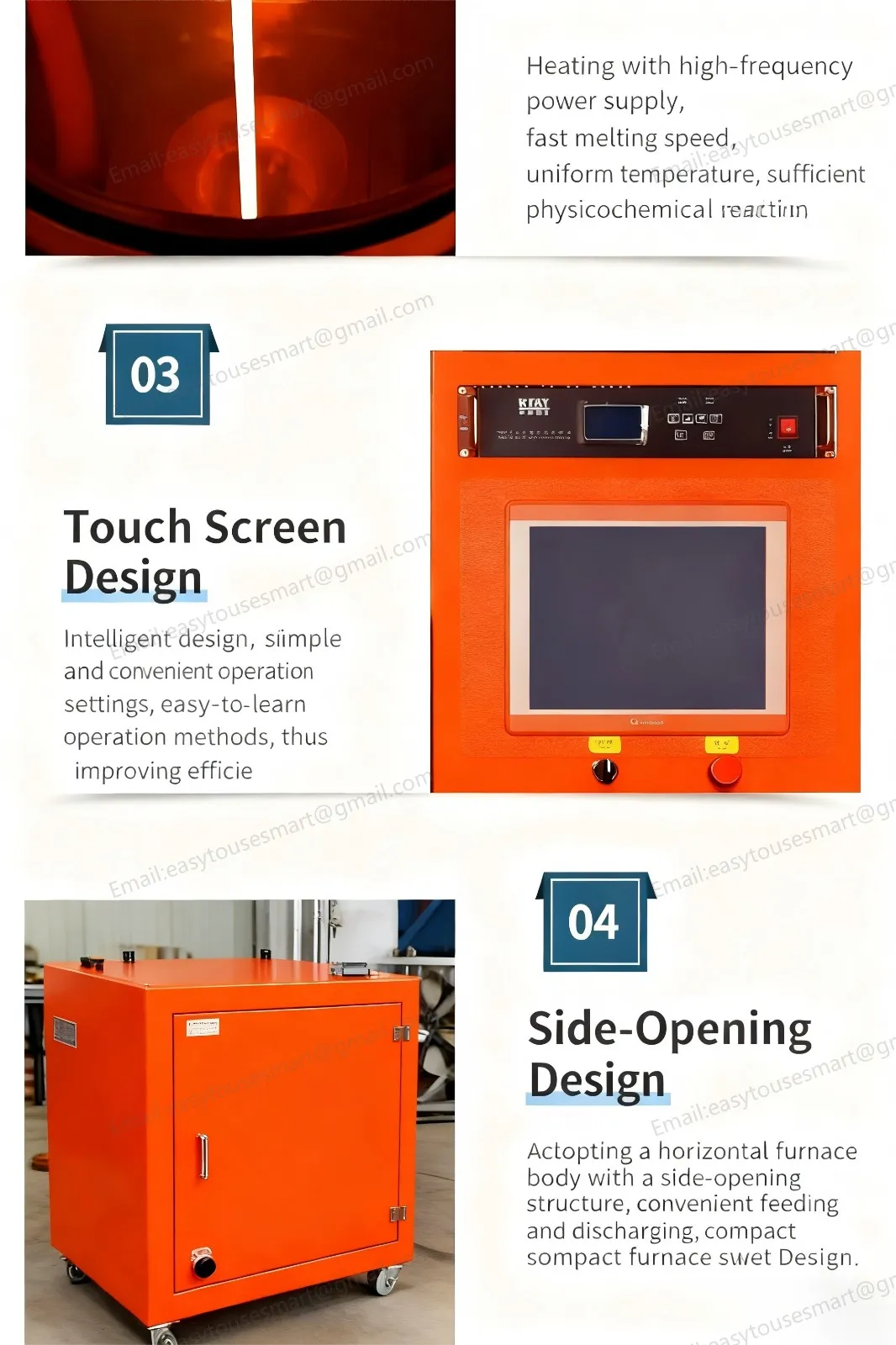
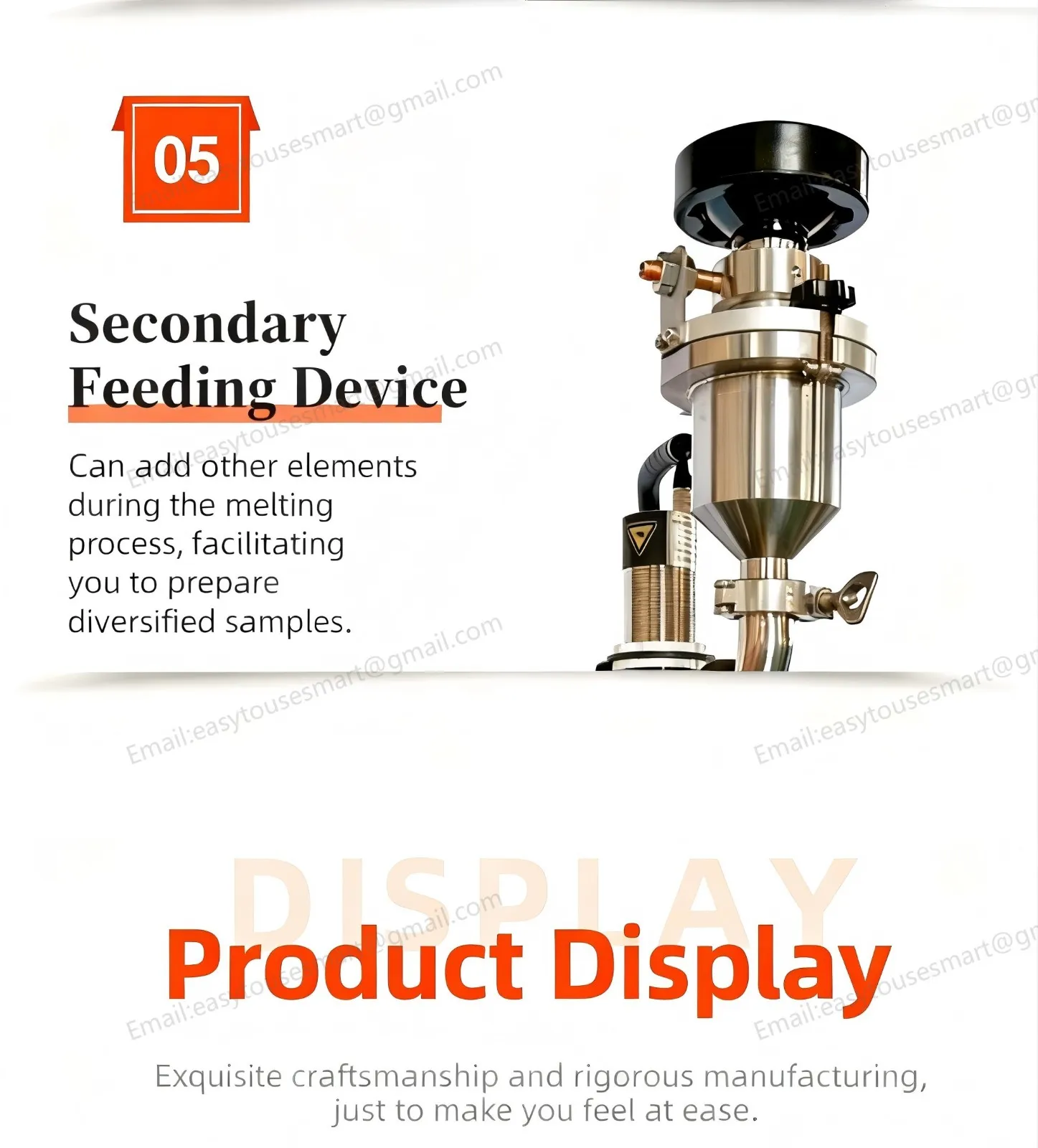
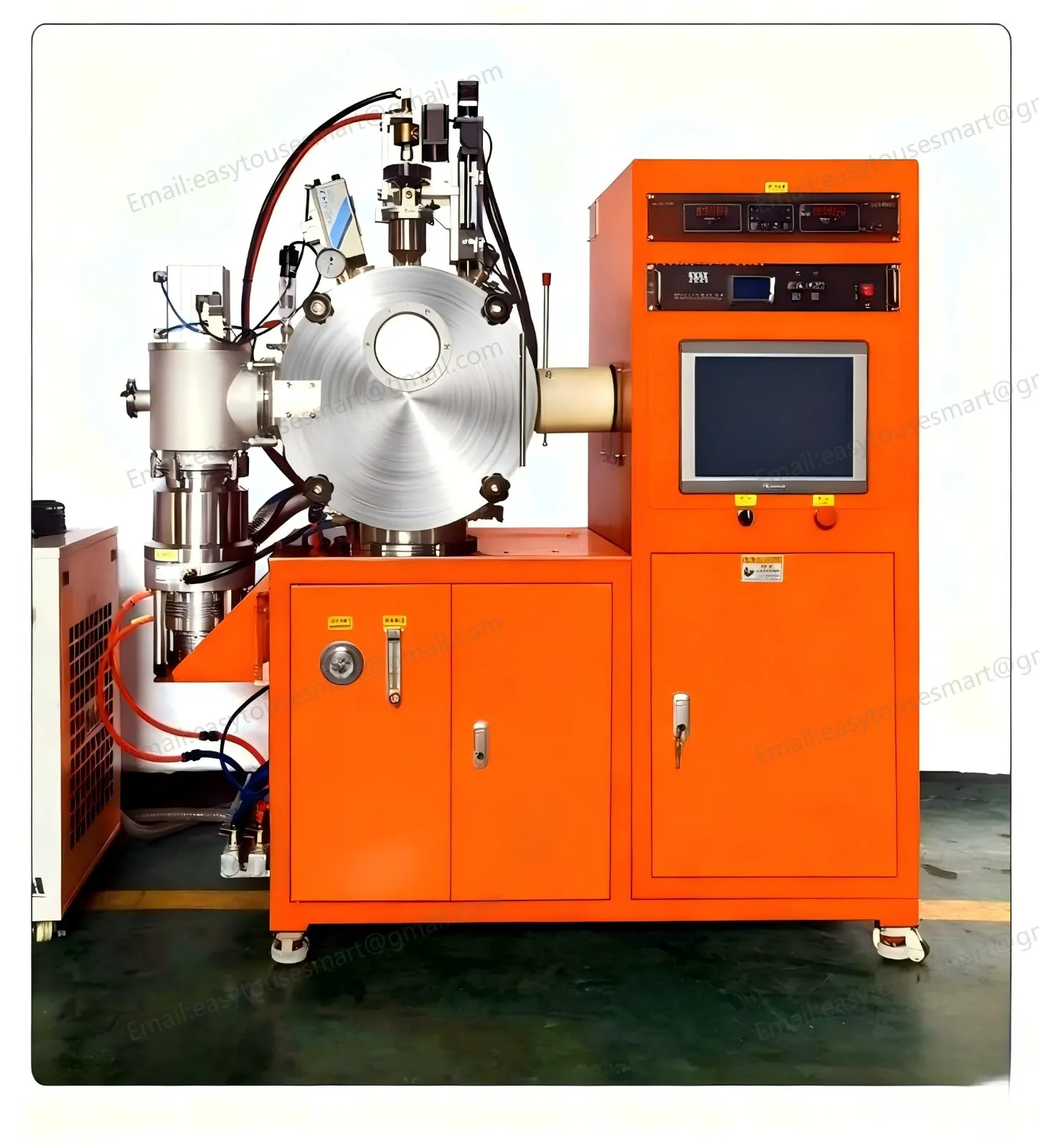
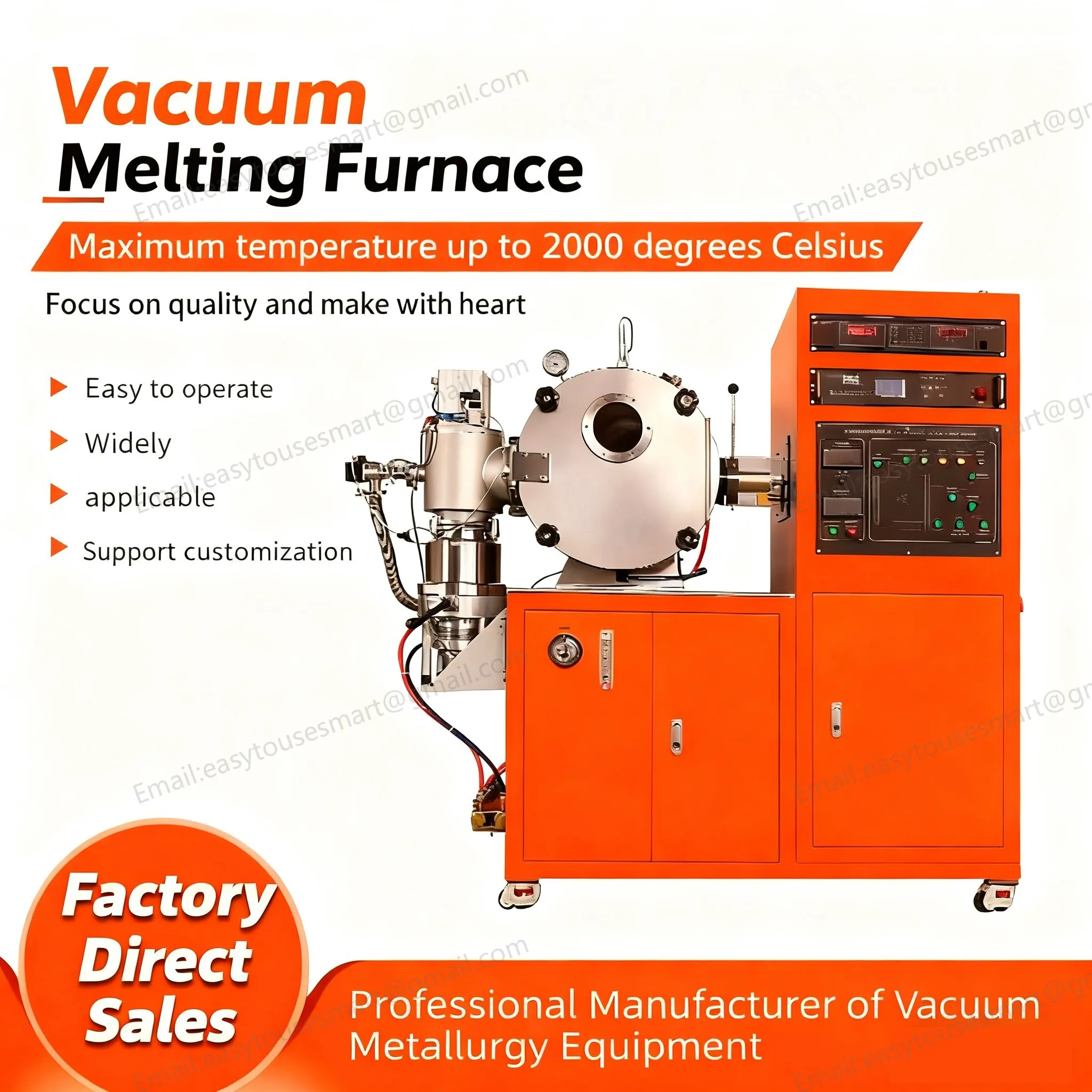
The vacuum induction melting and casting furnace is a core experimental device designed for universities, research institutions, and R&D departments in advanced manufacturing. It adopts a horizontal side-opening furnace structure, boasting a compact design that saves installation space and enables convenient, efficient material handling. By leveraging high-frequency induction heating technology, it realizes precise melting and casting of various metal materials under vacuum or protective atmosphere conditions.
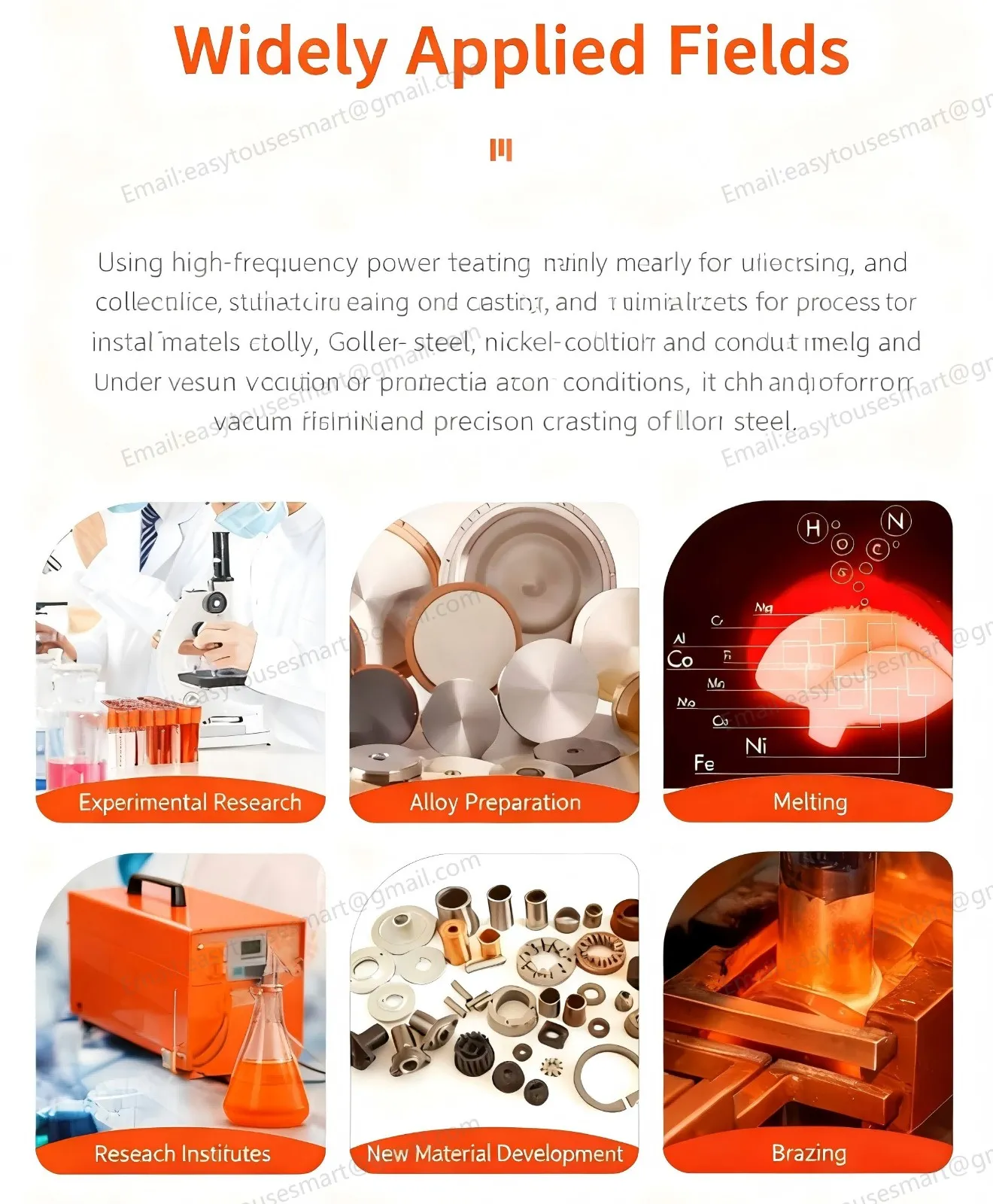
As a multi-functional material preparation platform, it covers extensive application scenarios:
• Universities and research institutes: Metal materials teaching experiments, new alloy formulation development, physical metallurgy mechanism research
• Precious metal processing: High-purity melting and recycling of gold, silver, platinum and other precious metals
• Superalloy preparation: Melting, degassing and homogenization of iron-based, nickel-based and cobalt-based superalloys
• Semiconductor and photovoltaic sectors: Purification and crystal growth of solar-grade silicon and special semiconductor materials
• Precision casting industry: Investment casting, directional solidification, single crystal growth and precision forming of complex components
• Special material R&D: High-purity metal production, special alloying, composition fine-tuning and remelting
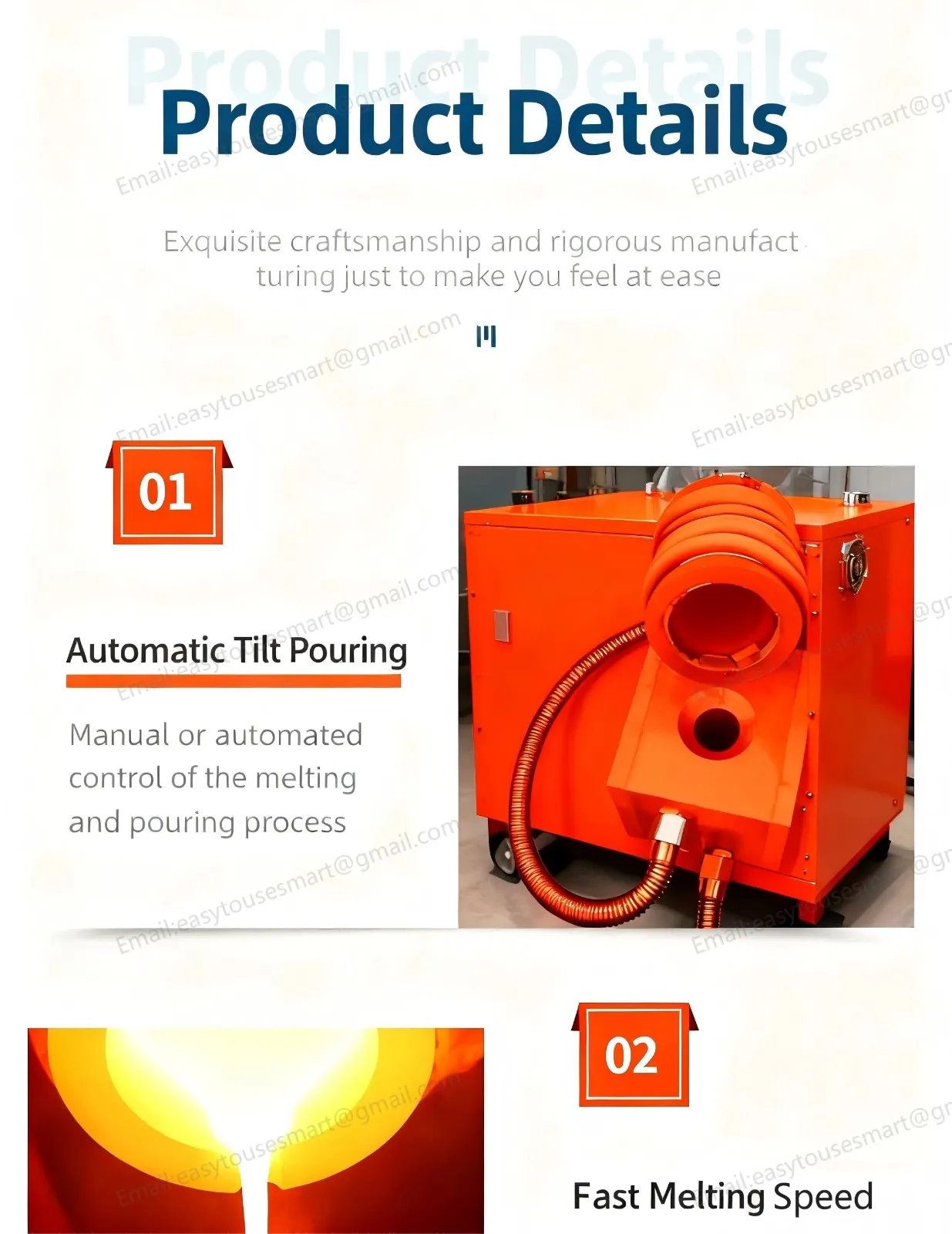
The device operates in a micro-negative pressure environment (vacuum or protective gas). The high-frequency induction heating system rapidly heats and melts metal materials in a graphite crucible. During the melting process, materials can be added online via a vacuum-tight sealing system to achieve precise control of alloy composition. After the metal is fully melted, the rotary stirring function is activated to ensure uniform mixing of alloying elements and eliminate segregation. Finally, the molten metal is poured into water-cooled molds through an automatic or manual pouring system to produce high-quality alloy ingots or castings.
1. Modular layout: Scientific structural design for easy operation and maintenance; supports modular expansion to protect long-term investment value
2. Vacuum-tight sealing system: Oxygen-free operation throughout the process to prevent oxidative contamination; pressure adjustment range of 10⁻⁵ Pa to 10 Pa, meeting the atmospheric requirements of various processes
3. Diversified casting capabilities: Compatible with ingot preparation, mold casting, investment casting and other processes; supports directional solidification and single crystal growth to meet R&D needs for high-end components
4. Intelligent and efficient control: Supports manual/automatic dual-mode control; automatic pouring enhances process stability and product consistency; optimized vacuum system design reduces vacuum pumping time and production cycles, improving experimental efficiency
5. Safety and reliability: User-friendly control system, high equipment durability and convenient maintenance
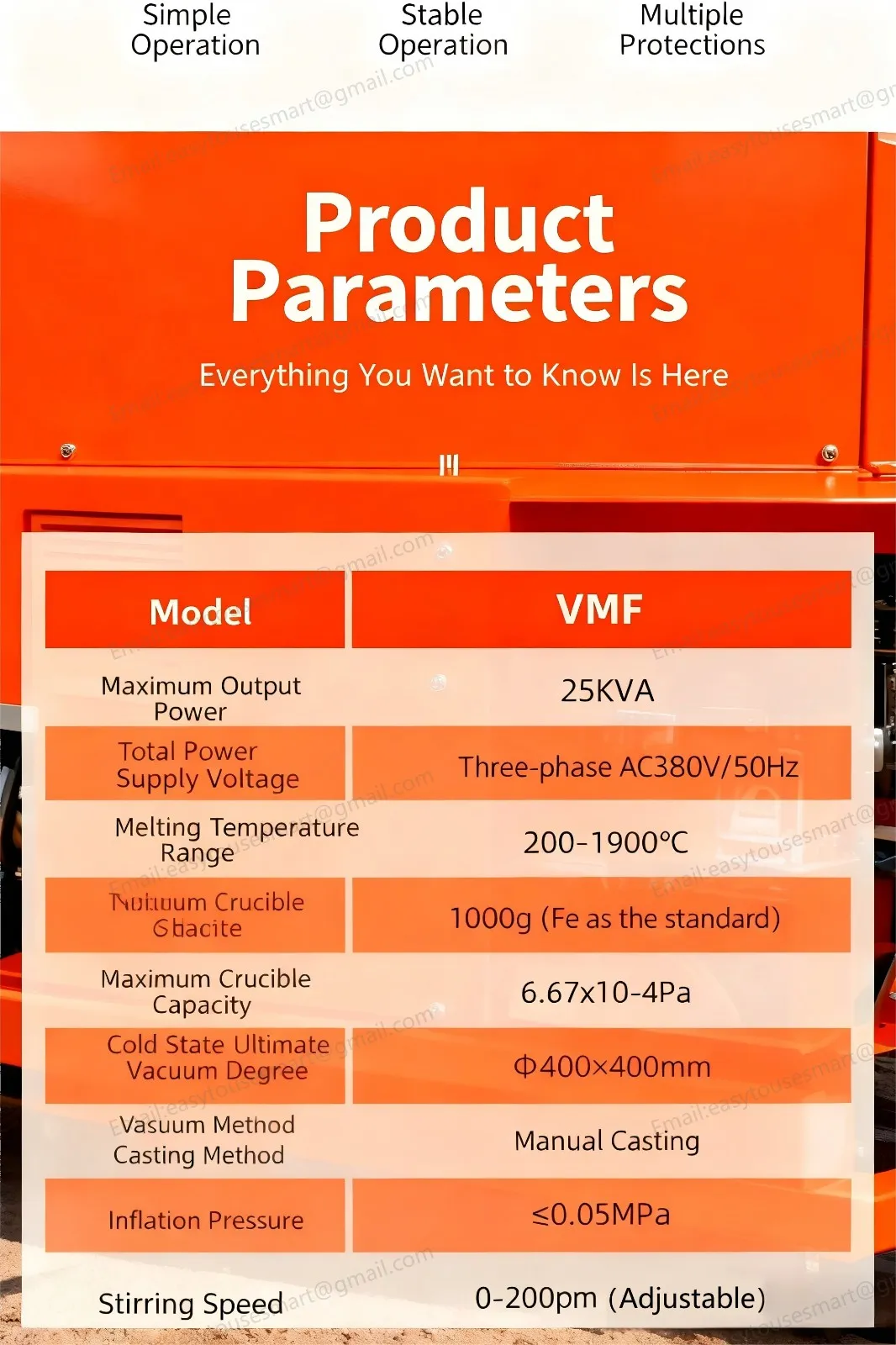
6. Excellent performance: Rated maximum melting temperature up to 2000°C, suitable for refractory metals and superalloys; effective volume ranges from 0.05 L to 30 L, with melting capacity from 50 g to 200 kg, covering requirements from micro-scale experiments to pilot production.
Model | Temperature Range (℃) | Rated Power (kW) | Ultimate Vacuum (Pa) | Melting Capacity (kg) |
Type A | 0 - 1750 | 35 | 5×10⁻³ | 5 |
Type B | 0 - 1750 | 45 | 5×10⁻³ | 5 |
Type C | 0 - 1750 | 65 | 6.7×10⁻³ | 10 |
Type D | 0 - 1750 | 100 | 6.7×10⁻³ | 25 |
Type E | 0 - 1750 | 160 | 6.7×10⁻³ | 50 |
Type F | 0 - 1750 | 200 | 6.7×10⁻³ | 100 |
The vacuum induction melting and casting furnace is a reliable choice for scientific research and advanced manufacturing, featuring a user-friendly horizontal side-opening design, high-frequency induction heating, and comprehensive vacuum control capabilities. With a melting capacity range of 50 g to 200 kg and a rated maximum melting temperature of 2000°C, it ensures good alloy composition uniformity and stable product performance through advanced functions including vacuum-tight feeding, rotary stirring, and automatic pouring. Whether for basic education, new material R&D, precision casting or vacuum refining, this equipment offers modular scalability, short-cycle efficiency and reliable operation to meet diverse process requirements, delivering professional and efficient material preparation solutions.
QR code

Contact information
15738867410
Online Message
Top